The complete guide to makhana
What makhana is, where it grows, how it is made, how to roast and store it, and how to choose good makhana — answered simply.
By Vaidehi Makhana · Updated
Makhana at a glance
| Common names | Makhana, fox nut, phool makhana, gorgon nut |
|---|---|
| Botanical name | Euryale ferox (prickly water lily family, Nymphaeaceae) |
| Where it grows | Ponds and wetlands; most of India's makhana comes from the Mithila region of Bihar |
| Recognition | “Mithila Makhana” received a Geographical Indication (GI) tag in 2022 |
| Forms sold | Plain (raw-popped), roasted, flavoured; also ground into flour |
| Common uses | Roasted snack, kheer, curries, raita, trail mix, fasting (vrat) food |
Jump to a question
What is makhana?
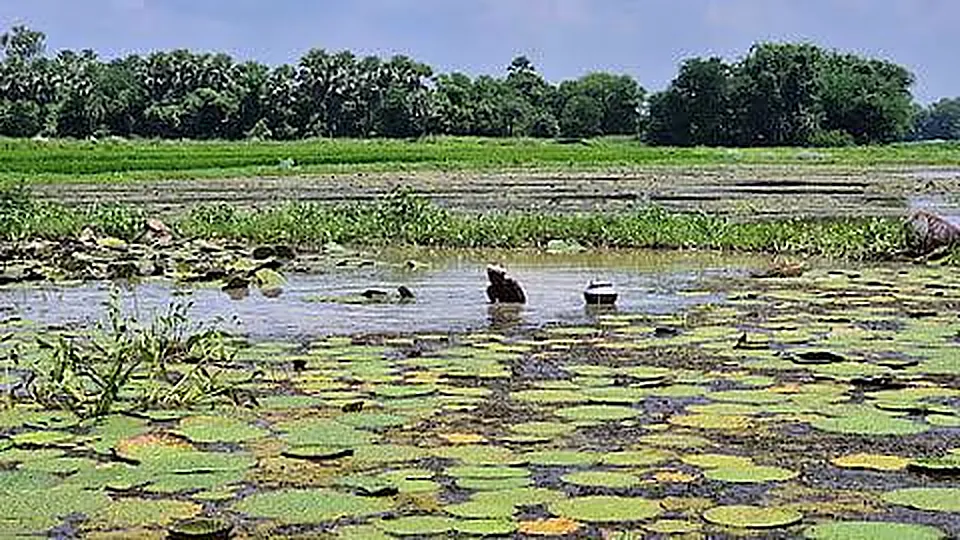
Makhana is the popped seed of Euryale ferox, an aquatic plant that grows in still ponds and wetlands.
The plant spreads large, round, floating leaves and has purple flowers. After flowering, its seeds sink to the pond bed, where farmers collect them by hand. The hard seeds are cleaned, sun-dried, roasted and cracked, and the kernel puffs into the white, airy makhana sold in shops. In English it is usually called fox nut.
Is makhana the same as lotus seed?
No. Makhana comes from Euryale ferox (the prickly water lily), not from the lotus plant (Nelumbo nucifera), although it is often sold as “lotus seeds”.
Both are water plants, which is why the names get mixed up. If a pack says “lotus seeds” but shows white puffed balls, it is almost always makhana.
Where is makhana grown?
Most of India's makhana is grown in the Mithila region of north Bihar, around districts such as Darbhanga, Madhubani and Purnea.
In 2022 “Mithila Makhana” received a Geographical Indication (GI) tag, which recognises the region's makhana as a distinctive regional product. The GI tag applies to the region's product category; it is not a certification of any individual brand.
How is makhana made?
Makhana is made in five steps: seeds are harvested from the pond bed, washed and sun-dried, roasted, cracked so the kernel pops, then graded by size and packed.
Much of this work is still done by hand by skilled farming families. Larger, whiter pops are sorted into premium grades.
Is makhana good for health?
Plain makhana is a light snack that is naturally low in fat and contains plant protein, dietary fibre and minerals such as magnesium, potassium and phosphorus.
Roasting oil, salt and flavourings change the nutrition of the final snack, and portion size matters, so read the nutrition panel on each pack. This is general food information, not medical advice; people with health conditions should ask a doctor or dietitian.
Is makhana gluten-free?
Yes, plain makhana is naturally gluten-free because it is a seed, not a cereal grain.
Flavoured makhana may contain seasonings with other ingredients, so people avoiding gluten should check the ingredient list on each flavoured pack.
Can I eat makhana during a fast (vrat)?
Plain makhana is widely eaten during Hindu fasts such as Navratri and Ekadashi.
Customs differ between families and regions. Flavoured packs may contain ingredients such as regular salt or onion and garlic powder that some fasting traditions avoid, so plain makhana roasted with ghee and rock salt (sendha namak) is the safest choice.
How do I roast makhana at home?
Roast makhana in a heavy pan with a little ghee on low heat for 6–8 minutes, stirring, until one piece snaps crisply when pressed.
Switch off the heat before adding salt or spices so they don't burn, and let the makhana cool completely before storing it in an airtight jar. See our recipes page for masala makhana, kheer, chaat and more.
How should I store makhana?
Store makhana in an airtight container in a cool, dry place, away from sunlight and moisture.
If makhana turns soft or chewy, dry-roast it in a pan on low heat for 2–3 minutes and it becomes crunchy again. Always follow the best-before date printed on the pack.
What is the difference between Premium and Classic makhana?
Vaidehi Premium Makhana is hand-graded for larger, whiter pops; Classic Makhana is an everyday plain grade with mixed sizes at a lower price.
Both contain only fox nuts. Premium suits snacking and gifting where appearance matters; Classic is ideal for cooking, kheer and curries.
How do I choose good-quality makhana?
Good makhana is white to creamy in colour, light for its size, evenly popped and snaps crisply.
Avoid packs with many broken, brown or hard unpopped pieces, or a stale or musty smell. Clear origin information and an ingredient list are good signs.
Where can I buy authentic Mithila makhana online?
You can buy Mithila-origin makhana directly from Vaidehi Makhana at vaidehimakhana.in, with delivery across India and free shipping on orders above ₹499.
Payment options include UPI, cards, netbanking and cash on delivery. For bulk or corporate gifting, contact us on WhatsApp or by email.
Mithila makhana, delivered
Plain, roasted and flavoured packs, with free shipping above ₹499.